

Maintaining a healthy environment is the biggest challenge for high-density poultry farming. If you walk into your coop and feel a stinging sensation in your eyes or a sharp scent in your nose, you have an ammonia problem. Learning how to reduce ammonia in chicken coop environments is not just about comfort – it is a vital part of poultry respiratory health and bedding management.
1. Understanding the Risks of Ammonia Accumulation to know How to Reduce Ammonia in Chicken Coop
Ammonia is produced when microbial activity breaks down the uric acid in chicken manure. In high-density coops, this process accelerates due to high moisture and heat.
High levels of ammonia (above 25 ppm) can cause:
-
Respiratory Damage: Tracheal irritation and increased susceptibility to Newcastle disease.
-
Eye Irritation: Conjunctivitis and even permanent blindness in chicks.
-
Reduced Productivity: Poor feed conversion rates and lower egg production.
2. Managing Poultry Litter Moisture
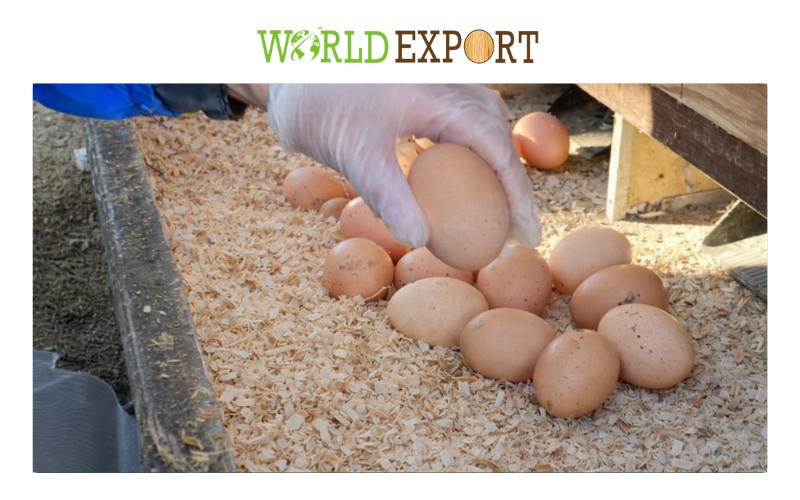
The secret to odor control is moisture management. Ammonia gas is released most rapidly when litter moisture exceeds 25%.
To keep your litter dry:
-
Fix Leaks: Inspect nipple drinkers and water troughs daily.
-
Proper Drainage: Ensure the coop floor is slightly sloped or well-drained.
-
Humidity Control: Use fans or dehumidifiers if you live in a tropical or humid climate. Managing poultry litter moisture is the first line of defense against the chemical reaction that creates toxic fumes.
3. Enhance Ventilation Systems
Even with the best bedding, stagnant air will trap gases at the bird’s level. Proper ventilation does more than just bring in fresh air; it regulates temperature and, most importantly, removes the excess moisture that fuels ammonia production.
-
Optimizing the Bird’s Breathing Zone: Ammonia is heavier than oxygen and tends to settle near the floor. Since chickens live in the first 10-12 inches of space, you must ensure that airflow isn’t just passing over their heads but is actively circulating at the litter level.
-
Natural vs. Mechanical Solutions:
Natural Ventilation: Utilize ridge vents and adjustable side curtains. This relies on the “chimney effect” where warm, ammonia-laden air rises and exits through the roof.
Mechanical Ventilation: In high-density coops, natural air isn’t enough. Exhaust fans should be positioned to create a negative pressure system. -
The Power of Tunnel Ventilation: This is the gold standard for high-density setups. By pulling air through one end of the house and exhausting it at the other at high speeds, you create a wind-chill effect that dries the poultry litter and whisks away ammonia fumes before they can reach toxic concentrations.
-
Winter Ventilation Challenges: Many farmers make the mistake of closing coops too tightly in winter to keep birds warm. This traps moisture and causes ammonia to skyrocket. Use “minimum ventilation” settings to ensure air exchange without chilling the birds.
4. Selecting the Best Bedding to Eliminate Chicken Coop Odor
Your choice of floor material is the most critical decision in ammonia management. The best bedding to eliminate chicken coop odor acts as a biological filter, balancing the nitrogen-rich manure with carbon-rich material.
-
The Science of Carbon-to-Nitrogen (C:N) Ratio: Ammonia is essentially nitrogen escaping into the air. Bedding materials like wood shavings have a high carbon content. This carbon acts as a “buffer,” chemically binding with the nitrogen in chicken droppings to keep it in the litter rather than letting it turn into gas.
-
Why Absorbency Matters: High-quality bedding must be “thirsty.” If the material cannot soak up the liquid portion of the waste, the moisture stays on the surface, creating a “slick” or “cake.”
-
The Pitfalls of Traditional Materials:
Straw: While cheap, straw has a waxy outer coating that resists water. It often mats down, creating an anaerobic environment (zero oxygen) where ammonia-producing bacteria thrive.
Rice Husks: These are common but lightweight and can be dusty, potentially irritating the chickens’ lungs—the very thing you are trying to prevent. -
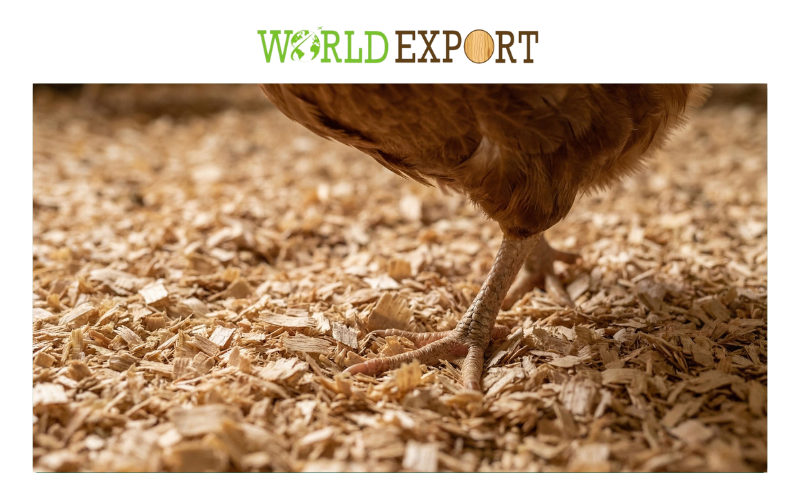
Why Wood-Based Products are Superior: Unlike agricultural byproducts, wood sawdust and shavings contain natural resins that inhibit the growth of mold and certain bacteria. This helps maintain poultry respiratory health and bedding integrity for much longer periods, reducing the frequency of total litter clean-outs.
-
Dust Control: When selecting bedding, always prioritize kiln-dried and screened products. Excessive dust can lead to chronic respiratory issues in high-density flocks, making professional-grade wood products the safest choice.
Read more information about Chicken at here.
5. Using Wood Shavings and Wood Sawdust for Odor Control
Professional growers prefer wood shavings for odor control because of their high surface area and natural antiseptic properties.
-
Wood Sawdust: Excellent for absorbing liquid quickly.
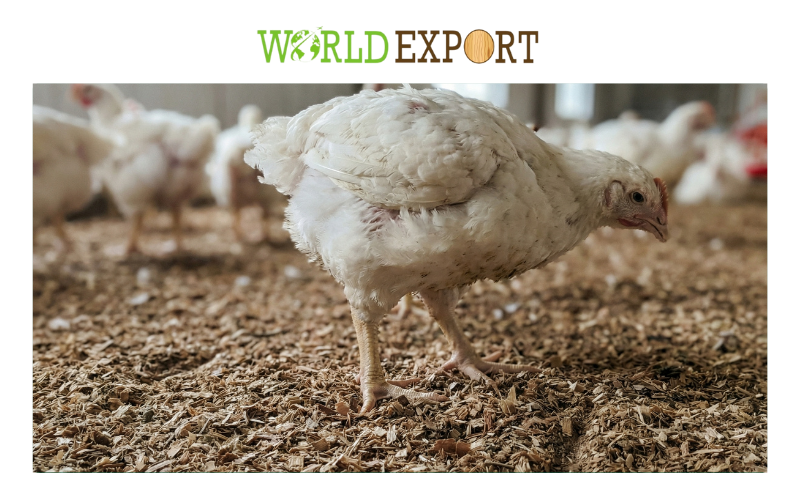
- Mixed Wood Shavings: Provides the perfect balance of absorbency and “loft,” allowing air to circulate through the litter, which helps it dry out faster.
6. World Export: Your Trusted Provider for Premium Wood Bedding
To effectively reduce ammonia, you need consistent, high-quality materials. World Export is a leading supplier of wood sawdust and shavings specifically processed for the global poultry industry. Operating six dedicated manufacturing facilities with a monthly production capacity of 30,000 tons, World Export are a trusted partner for poultry farms across South Korea, Japan, and the Middle East. Our products are kiln-dried to ensure minimum moisture content and maximum absorbency.
Our Packaging Solutions
We understand the logistics of large-scale farming, which is why we offer flexible packaging:
1. Wood Sawdust Packaging:
-
Jumbo Bags: 500 – 600 kg (with pallets).
-
Capacity: 24 tons per 40HC container (40 bags).
-
Dimensions: Bag (110 x 110 x 120 cm); Pallet (100 x 100 x 9 cm).
2. Wood Shavings Packaging:
-
Jumbo Bags: 500 – 600 kg (with pallets); 24 tons per 40HC (40-48 bags).
-
Plastic Bags (Bulk): 20 kg bags; ~20 tons per 40HC (1,200 – 1,300 bags).
-
Plastic Bags (Pallet): 20 kg bags wrapped by PE; 40 pallets (960 bags/container).
Elevate your farm’s productivity with World Export. Contact World Export here for a comprehensive quote and technical consultation. Let us provide the foundation for your flock’s success!
WORLD EXPORT COMPANY LIMITED
Địa chỉ: No. 35, Street 12, Van Phuc 1 Residential Area, Quarter 5, Hiep Binh Ward, Ho Chi Minh City, Vietnam
Điện thoại / Whatsapp / KakaoTalk: +84 932 632 317
Email: supportwe@worldexport.com.vn