
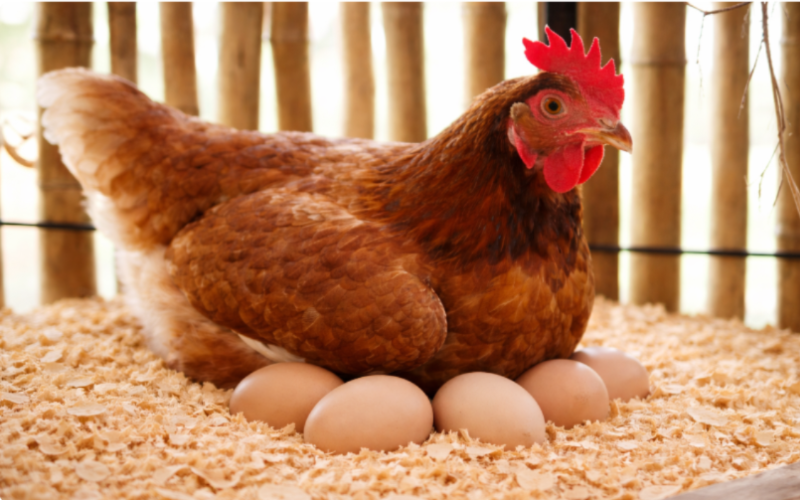
Managing poultry waste is one of the most labor-intensive tasks for any farmer. However, the deep litter system in chicken farming has revolutionized waste management by turning a chore into a biological asset. Instead of cleaning out the coop every few days, this method utilizes a natural decomposition process to manage manure, control odors, and keep your birds warm. Whether you are managing a small backyard flock or a large-scale layer deep litter system, understanding how to implement this method correctly is vital for long-term success.
2. What is the Deep Litter System in Chicken Farming?
The deep litter method is more than just “not cleaning the coop.” It is an active composting process where carbon-rich bedding material and nitrogen-rich chicken manure mix together. Over time, beneficial microbes break down the waste, generating heat that kills pathogens and keeps the coop dry.
For those running a layer deep litter system, this method is particularly beneficial. It provides a soft, cushioned floor that prevents egg breakage if a hen decides to lay outside the nesting box, and the natural heat produced during winter helps maintain consistent egg production even in colder climates.
3. What is the Best Material for Deep Litter System?
Choosing the right foundation is the “make or break” factor for this method. So, what is the best material for deep litter system?
While farmers use everything from straw to dried leaves, wood shavings are widely considered the gold standard. Here is why:
-
Absorbency: Wood shavings can hold significantly more moisture than straw, preventing the “caking” of manure.
-
Aeration: The irregular shape of shavings (1–15 mm) prevents the litter from compacting, allowing oxygen to reach the microbes.
-
Carbon-to-Nitrogen Ratio: Wood provides a stable carbon source that balances the high nitrogen levels in chicken poop.

Note: Avoid fine sawdust unless it is specifically processed to be dust-free, and never use cedar shavings, as the aromatic oils can cause respiratory distress in poultry.
4. How to Use the Deep Litter Method: A Step-by-Step Guide
Learning how to use the deep litter method effectively requires a “start thick, add slow” approach.
Step 1: Base Preparation
Start with a clean, dry floor. If you have a wooden floor, ensure it is well-ventilated to prevent rot. Many farmers sprinkle a light layer of food-grade diatomaceous earth or lime to help with initial moisture control.
Step 2: The First Layer
Spread a thick layer of high-quality wood shavings—at least 10 to 15 cm deep. This provides enough “buffer” to begin absorbing waste without becoming saturated immediately.
Step 3: Maintenance and Turning
Every week, use a rake to turn the litter. This introduces oxygen, which is fuel for the composting microbes. If you notice a smell of ammonia, it means the litter is too wet or has too much nitrogen; simply add another layer of fresh shavings to balance it out.
Step 4: Annual Cleanout
The beauty of this system is that you only need to fully clean the coop once or twice a year. The “spent” litter at the bottom will be rich, crumbly compost, perfect for your garden.
Read more information of this product, please click here.
5. Common Mistakes to Avoid
To keep your flock healthy, avoid these common pitfalls:
-
Poor Ventilation: Without airflow, moisture builds up, leading to mold and respiratory issues.
-
Ignoring Wet Spots: Check under waterers daily. If a leak occurs, remove the soaked bedding immediately and replace it with dry shavings.
-
Chemical Overuse: Avoid using harsh chemical disinfectants on the litter, as these will kill the beneficial microbes doing the composting work.
6. World Export – Your Reliable Supplier of Premium Wood Shavings
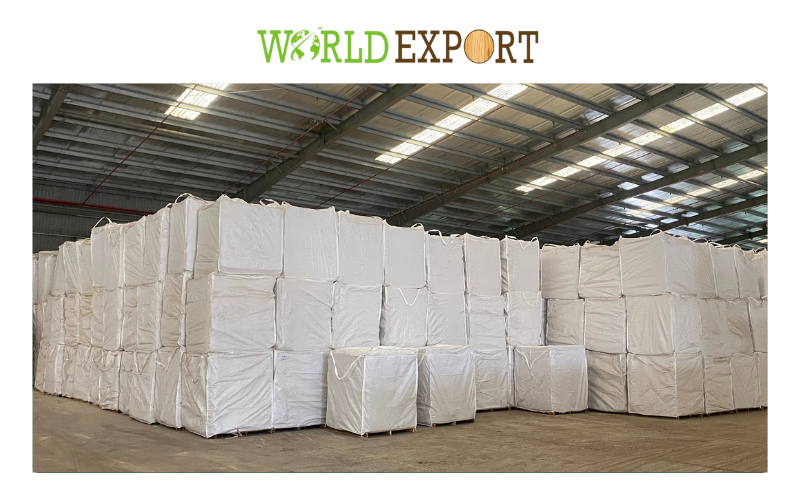
For a successful deep litter system, the quality of your bedding is non-negotiable. World Export is a leading supplier of premium, industrially dried wood shavings from Vietnam, specifically processed for the global poultry market. Our shavings are sourced from sustainable pine, rubber, and acacia, ensuring a dust-free environment that prevents respiratory issues in chicks and adult layers.
We understand the logistics of large-scale farming, which is why we offer flexible and professional Packaging Options:
-
Jumbo Bags: 500–600 kg per pallet, 24 tons per 40HC container (40–48 bags). Ideal for large industrial farms.
-
Plastic Bags (Bulk): 20 kg bags, approximately 1,200–1,300 bags (~20 tons) per 40HC. Perfect for manual handling and easy distribution.
-
Plastic Bags (Pallet): 20 kg bags, PE wrapped for extra moisture protection, 960 bags per container.
Contact us today for a free, no obligation quote! If you need further assistance with other products, contact us or fill out the form for support.
WORLD EXPORT COMPANY LIMITED
Địa chỉ: No. 35, Street 12, Van Phuc 1 Residential Area, Quarter 5, Hiep Binh Ward, Ho Chi Minh City, Vietnam
Điện thoại / Whatsapp / KakaoTalk: +84 932 632 317
Email: supportwe@worldexport.com.vn